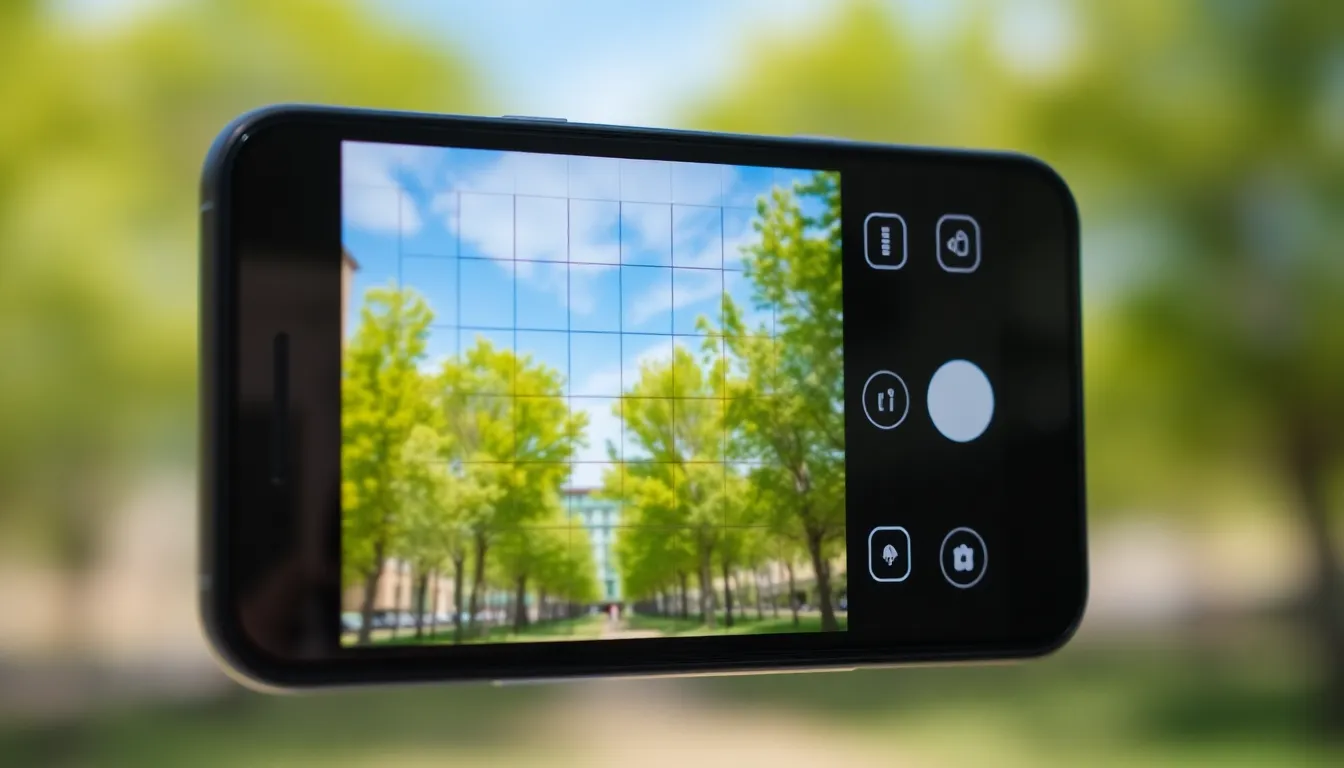
Ever felt like your photos need a little extra pizzazz? If the answer’s yes, then adding grids to your iPhone camera is the secret sauce you didn’t know you needed. Grids help you compose shots like a pro, turning those everyday snapshots into Instagram-worthy masterpieces.
Understanding Grids in Photography
Grids serve as helpful tools in photography, guiding composition and enhancing images. They establish a visual framework that aids photographers in aligning subjects and elements. By dividing the frame into equal sections, grids assist in creating balanced shots.
Rule of thirds represents a common grid strategy, dividing the frame into a 3×3 matrix. This technique promotes dynamic compositions by placing focal points along the grid lines or intersections. Creating a sense of harmony comes from adhering to this principle, making images more engaging.
Another essential function of grids relates to awareness. They encourage photographers to visualize the elements of their shot before capturing it. Utilizing grids fosters a mindful approach, allowing photographers to consider the arrangement of objects within the frame.
Grids can also simplify focusing techniques. Aligning subjects against the grid helps achieve better focus and depth in landscape photography. Moreover, this method enhances the overall clarity of images, resulting in professional-quality photos.
Digital cameras, including the iPhone, frequently offer grid settings, making it easy for photographers to implement this technique. Activating grids on an iPhone camera introduces structure to every shot he or she takes. This straightforward addition can significantly impact the final look of a photograph.
Above all, understanding grids promotes growth as a photographer. Experimentation with different grid implementations can lead to discovering unique styles and techniques. Adopting grids nurtures skills in composition, ultimately enhancing the quality of photography.
How to Put Grids on iPhone Camera
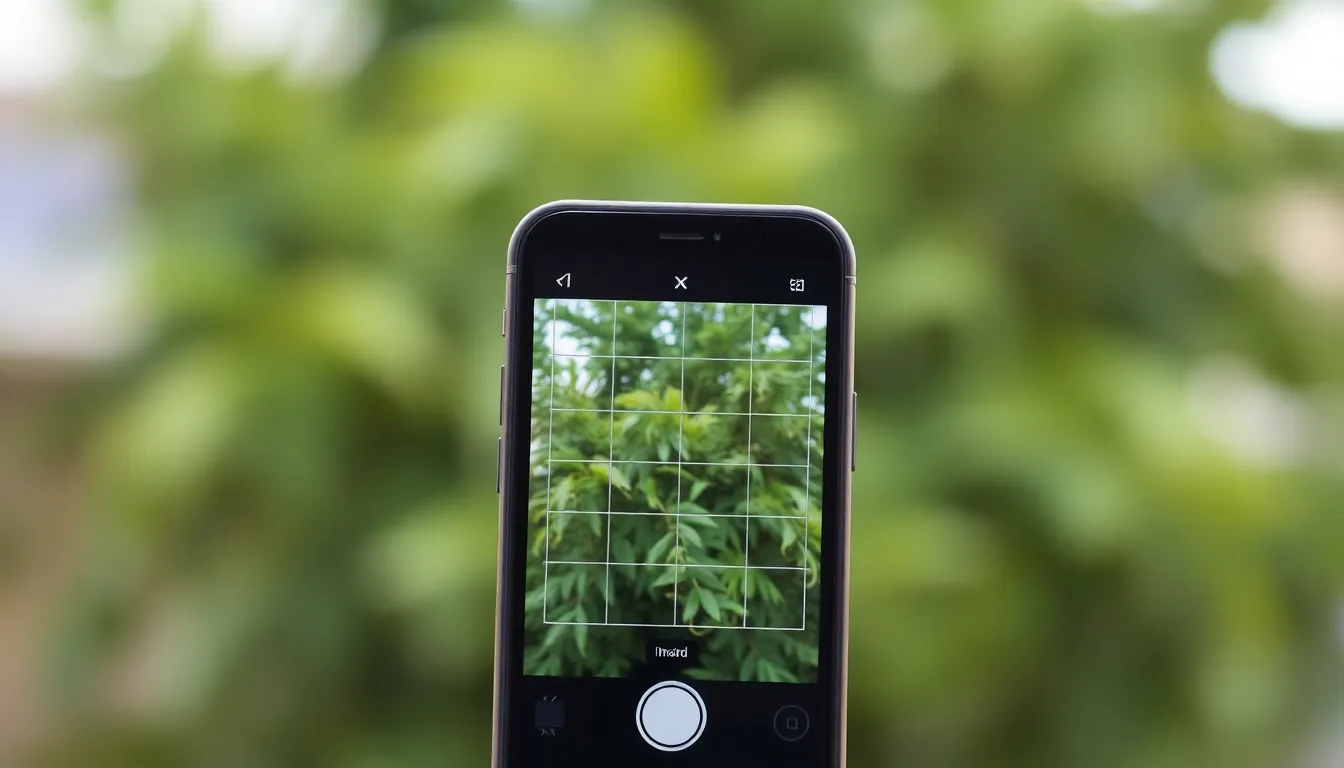
Adding grid lines to the iPhone camera enhances composition and helps improve photography skills. This guide outlines how to access camera settings and enable grid lines effectively.
Accessing Camera Settings
First, open the Settings app on the iPhone. Scroll down to find the Camera option. Tapping on it reveals various camera settings relevant to photography. Look for “Grid” within these settings. Here, users can adjust features to their preferences, especially for composing shots. After locating the grid option, proceed to the next step to activate this feature.
Enabling Grid Lines
To enable grid lines, toggle the switch next to the Grid option. This action activates the grid overlay when using the camera app. Now, all photos taken display the grid, promoting better alignment of subjects. Adjusting the composition becomes easier with this visual guide visible on the screen. Begin experimenting with different shot angles while utilizing the grid. Enjoy capturing images that are well-composed and visually appealing through this simple adjustment.
Tips for Using Grids Effectively
Grids enhance photography by providing structure and focus. Using them properly can elevate the composition significantly.
Composing Shots with Grids
Incorporating grids can refine shot composition. Photographers should align main subjects with grid lines to create balance. Placing focal points at intersections naturally draws the viewer’s eye. Using the rule of thirds promotes dynamic layouts, avoiding center-heavy images. Experimenting with different angles while considering grid alignment fosters creativity. Photographers may find that visualizing elements within the grid encourages intentional framing and more impactful captures. Mindful composition can transform ordinary scenes into striking visuals.
Adjusting Grid Transparency
Tinkering with grid transparency can enhance the shooting experience. Some photographers prefer grids that blend subtly with the image. Adjusting opacity makes grids less intrusive, maintaining focus on the composition. Users benefit from experimenting with different levels of transparency to find what suits their style. This adjustment caters to personal preferences and can help minimize distraction during photography. For those keen on digital aesthetics, ensuring grids remain unobtrusive while still functional creates a smoother capturing process.
Troubleshooting Common Issues
Grids on the iPhone camera enhance photography, but users may encounter issues while trying to enable them. First, ensure the device runs on the latest iOS version. Outdated software can cause features to malfunction.
If the grid setting doesn’t appear after accessing the Camera settings, restarting the iPhone often resolves temporary glitches. Different settings can sometimes conflict, so a fresh start may restore functionality.
When the grid appears but does not align correctly with the image, double-check the rotation lock. An active rotation lock can distort the grid display, leading to misalignment. If problems persist, toggling the grid setting off and back on could restore proper functionality.
Occasionally, the grid may not be visible in certain camera modes. Users should explore the default Photo mode, as other modes like Video may hide grid lines. Switching back and forth can clarify whether the issue stems from the mode being used.
Some users indicate difficulty adjusting grid transparency. If this occurs, navigating to the setting for grid adjustments can allow for better control. Lowering transparency should make the grid less distracting without eliminating its guiding benefits.
Finally, when experiencing persistent issues, contacting Apple support often provides solutions. Expert guidance can address complicated scenarios. Documenting steps taken before reaching out may help troubleshoot effectively.
Using grids on an iPhone camera can transform the way photographers approach their craft. By implementing grid lines, they can enhance composition and create more visually striking images. This simple feature encourages thoughtful framing and helps in aligning subjects effectively.
With the rule of thirds as a guiding principle, photographers can elevate their work by placing focal points strategically. Experimenting with angles and adjusting grid transparency allows for a personalized touch that aligns with individual styles.
Embracing this tool not only improves technical skills but also fosters a more intentional photography practice. By taking advantage of the grid feature, photographers can unlock new levels of creativity and produce stunning images ready for sharing.