In the culinary world, even the best chefs know that a pinch of advice can make all the difference. Whether you’re a home cook looking to impress or a seasoned pro aiming to refine your skills, professional cooking advice can elevate your dishes from “meh” to magnificent. After all, who wouldn’t want to whip up a meal that has friends begging for seconds?
Understanding Professional Cooking Advice
Professional cooking advice plays a crucial role in developing culinary skills for all cooks. Tips from experienced chefs can elevate dishes, creating impressive meals.
Importance of Professional Cooking Advice
Expert advice helps cooks improve techniques and enhance flavors. Even small adjustments can lead to noticeable changes in a dish. Knowledge about proper seasoning, cooking times, and ingredient combinations can transform meals. At the same time, learning from professionals provides insights into food safety and kitchen efficiency. Adopting these practices encourages cooks to produce high-quality results.
Who Benefits from Professional Cooking Advice
Aspiring chefs gain valuable knowledge from professional guidance. Home cooks also find practical tips to elevate everyday meals. Restaurants benefit through enhanced menu offerings and improved consistency. Culinary students acquire foundational skills crucial for their careers. Amateurs experimenting in their kitchens see satisfaction in their cooking adventures. All these individuals share a common goal: creating better dishes that impress diners.
Essential Skills for Aspiring Chefs
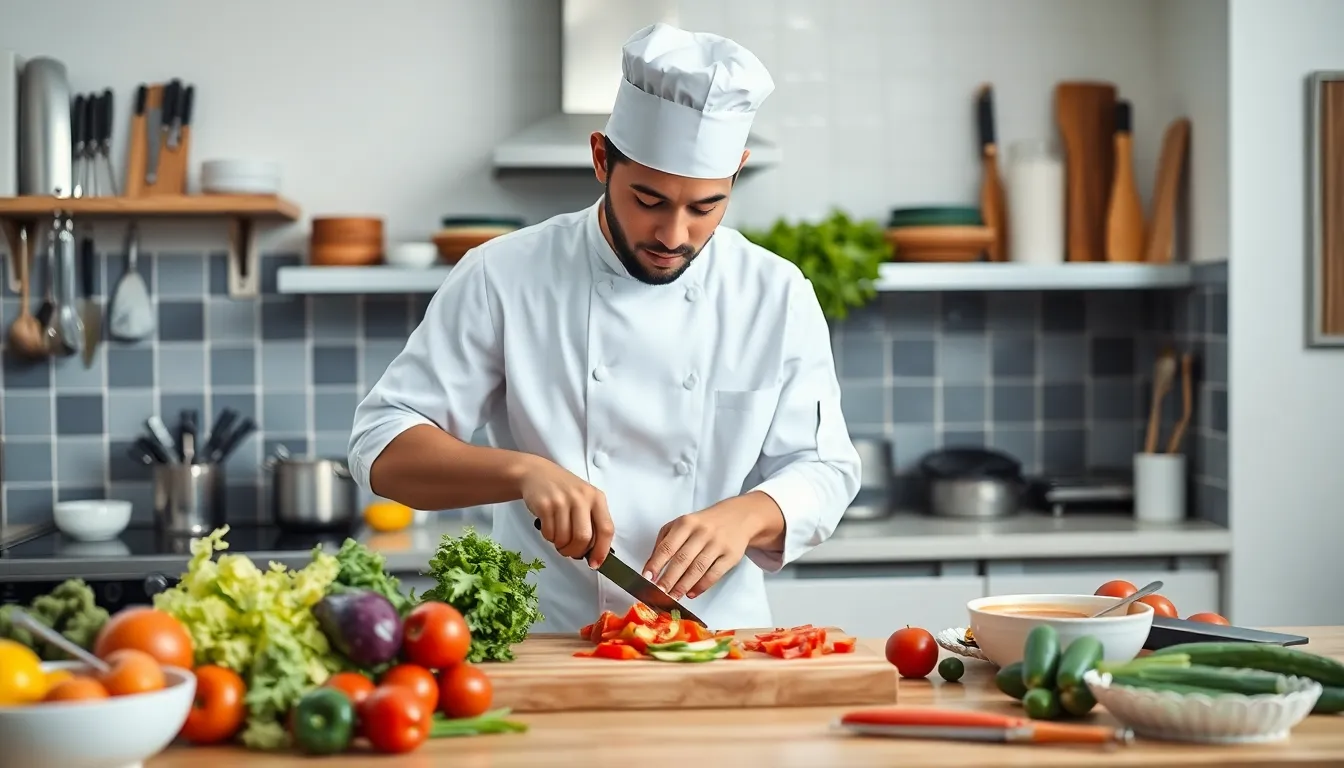
Aspiring chefs must develop critical skills to excel in the kitchen. Mastering fundamental techniques plays a vital role in culinary success.
Knife Skills
Knife skills serve as the foundation for any chef. Precise cuts lead to even cooking and enhance dish presentations. Chefs should practice various techniques, including slicing, dicing, and mincing. Familiarity with different knives and their uses enhances efficiency. An understanding of safety measures while handling knives is crucial, preventing accidents in the kitchen. Regular practice can improve speed and accuracy, essential for maintaining kitchen flow during service.
Cooking Techniques
Cooking techniques refine a chef’s ability to prepare diverse cuisines. Techniques like sautéing, roasting, and braising create unique flavors and textures. Each method requires a distinct approach to cooking times and temperatures. Mastery of these techniques allows chefs to showcase creativity while adapting to different ingredients. Additionally, knowledge of food pairings and ingredient handling maximizes flavor profiles. Constant experimentation with various methods fosters growth and establishes confidence in the kitchen.
Tools and Equipment Recommendations
Essential tools and equipment significantly enhance the cooking experience. Each kitchen must contain the right items to elevate culinary skills.
Must-Have Kitchen Tools
Every chef benefits from reliable knives, which facilitate precise cutting and improve safety. A sturdy cutting board is crucial for protecting surfaces and maintaining knife edges. Measuring cups and spoons help ensure accurate ingredient proportions for consistent results. Non-stick pans make cooking and cleaning more efficient. Additionally, a durable mixing bowl is useful for combining ingredients seamlessly. Investing in quality utensils such as spatulas and whisks also aids in various cooking techniques. A food thermometer ensures meat is cooked to the right temperature, promoting food safety.
Equipment for Specialized Cooking
Certain dishes require specialized equipment for optimal results. An immersion blender is ideal for making smooth soups and sauces directly in the pot. A cast iron skillet enhances heat retention, making it perfect for searing meats. Sous vide machines allow for precise temperature control, ensuring perfect doneness. For baking enthusiasts, a stand mixer significantly eases the process of mixing dough. Pressure cookers reduce cooking times for beans and grains, maximizing flavor while saving time. Each piece of specialized equipment contributes to achieving distinct culinary outcomes and expands a chef’s versatility in the kitchen.
Culinary Techniques from Professionals
Professional chefs utilize various techniques to enhance flavors and presentations in cooking. Detailed knowledge of these methods significantly improves culinary results.
Flavor Building
Chefs emphasize layering flavors to create depth in dishes. This technique involves using various ingredients at different stages of cooking. Start with foundational flavors, such as garlic and onions, to build a base. Incorporating fresh herbs and spices throughout the cooking process enhances the final taste profile. Understanding the balance between acidity and sweetness enhances dishes, creating a more complex experience. Deglazing pans with wine or broth captures flavorful bits, elevating sauces. Mastering these flavor-building techniques leads to memorable meals.
Plating and Presentation
Plating is essential for visual appeal in culinary arts. Chefs focus on the arrangement of food to attract and engage diners. Using vibrant colors creates contrast and stimulates appetite. Height adds dimension, making dishes appear more sophisticated. Consider negative space, allowing each component to stand out. Garnishes such as microgreens or edible flowers enhance aesthetics and provide an additional layer of flavor. Skilled plating transforms a simple dish into an enticing centerpiece, crucial for leaving lasting impressions.
Resources for Continued Learning
Continual learning aids chefs in perfecting their culinary skills. Various resources support this journey, offering valuable insights and techniques.
Online Courses and Tutorials
Online platforms provide a wealth of courses tailored for all skill levels. Websites like MasterClass and Udemy feature professionals who share their expertise through video tutorials. Chefs can learn specific techniques such as knife skills, plating, and flavor development at their own pace. Many of these courses include interactive elements, allowing students to practice and receive feedback. Community forums further enhance the learning experience, giving cooks an opportunity to engage with peers and ask questions.
Cookbooks and Reference Materials
Cookbooks serve as invaluable resources for aspiring and experienced chefs alike. Renowned chefs publish volumes that cover various cuisines and techniques, providing detailed instructions and insights. Reference materials, such as culinary encyclopedias and flavor pairing guides, complement these books and deepen understanding of ingredients and cooking methods. Comprehensive guides often include tips on food safety and storage, ensuring chefs maintain high standards. Browsing through these books can spark inspiration and creativity in the kitchen, driving talented cooks to explore new dishes.
Embracing professional cooking advice can truly transform any culinary journey. By honing essential skills and mastering techniques, cooks can elevate their dishes to new heights. The right tools paired with expert guidance not only enhance safety but also ensure consistent results.
Continual learning plays a vital role in this process. Utilizing online resources and cookbooks allows chefs to refine their craft and explore new flavors. Ultimately, the pursuit of culinary excellence is a rewarding experience that leads to memorable meals and satisfied diners.